
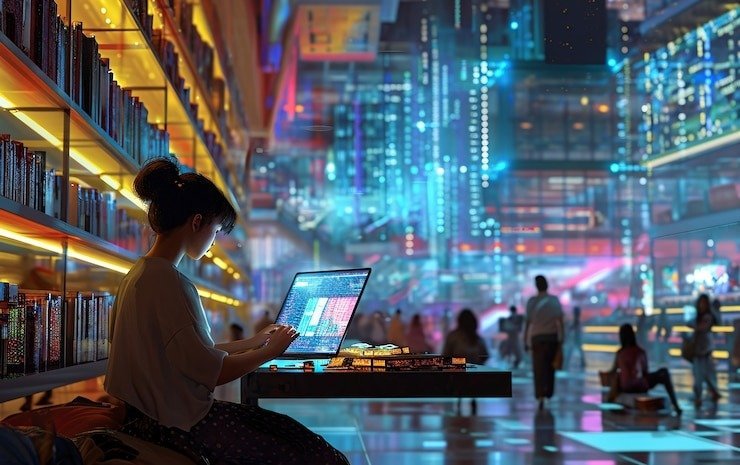
The world of work is undergoing a seismic shift, one that promises to redefine how we think about productivity, collaboration, and work-life balance. As businesses strive to adapt to an increasingly interconnected and digital landscape, the future workspace is emerging as a critical focal point for enhancing global productivity. This article delves into the trends, technologies, and philosophies shaping the future of workspaces globally, and how they can drive productivity to unprecedented heights.
The Evolution of Workspaces
Traditionally, workspaces were characterized by rigid structures and a standard 9-to-5 schedule. However, with the advent of technology and changing workforce demographics, the notion of what constitutes a workspace has evolved dramatically. Remote work, flexible hours, and coworking spaces have become commonplace, offering employees greater autonomy and flexibility in how they conduct their work.
This evolution is not merely a trend but a reflection of a broader understanding of how various environments can impact productivity. Research shows that employees perform better when they have the freedom to choose how and where they work, leading to increased job satisfaction and overall productivity.
Technological Advancements Driving Change
The future of workspaces is inextricably linked to technology. Innovations such as artificial intelligence (AI), machine learning, and cloud computing are not only enhancing communication but also streamlining processes and workflows. These technologies enable teams to collaborate seamlessly, regardless of geographical barriers, facilitating a level of productivity that was previously unimaginable.
Moreover, the rise of collaboration tools—such as Slack, Microsoft Teams, and Zoom—has transformed how teams interact. Virtual meetings, instant messaging, and file sharing have become second nature, allowing for real-time collaboration and decision-making. Businesses that embrace these tools can foster a culture of innovation and agility, essential for thriving in a fast-paced global marketplace.
Emphasizing Employee Well-Being
An essential component of enhancing global productivity is prioritizing employee well-being. The workspace of the future will not just focus on efficiency but also on creating an environment conducive to mental and physical health. Companies are increasingly recognizing that a happy, healthy workforce is a productive workforce.
Flexible work arrangements are a key aspect of this approach. By allowing employees to tailor their work schedules to fit their personal lives, organizations can reduce stress and burnout, leading to improved morale and productivity. Furthermore, incorporating wellness programs, mental health resources, and ergonomic designs in the workspace can significantly impact employee performance and satisfaction.
“The workspace of the future will not just focus on efficiency but also on creating an environment conducive to mental and physical health.”
The Rise of Hybrid Work Models
As organizations navigate the post-pandemic landscape, many are adopting hybrid work models that blend remote and in-office work. This approach allows for flexibility while still maintaining a degree of in-person collaboration that fosters team cohesion and culture. Hybrid models can lead to increased productivity by enabling workers to choose the environment in which they are most effective.
However, successfully implementing a hybrid model requires thoughtful planning and clear communication. Organizations must define expectations, establish guidelines, and provide the necessary tools for employees to thrive in both settings. By doing so, businesses can create a dynamic work environment that leverages the best of both worlds.
Designing the Future Workspace
The physical design of workspaces is also evolving, with an emphasis on creating environments that promote collaboration, creativity, and focus. Open floor plans, collaborative zones, and quiet areas for focused work are becoming staples in modern office design. This shift reflects an understanding that different tasks require different environments, and that flexibility in design can cater to diverse work styles.
Additionally, integrating biophilic design—where natural elements are incorporated into the workspace—has been shown to enhance mood and productivity. Access to natural light, greenery, and outdoor spaces can significantly impact employee well-being, leading to a more engaged and productive workforce.
Global Collaboration in a Digital Age
As businesses expand their reach across borders, the ability to collaborate globally becomes increasingly vital. The future workspace will leverage digital platforms that facilitate cross-cultural interactions and teamwork. Virtual reality (VR) and augmented reality (AR) technologies are beginning to play a role in creating immersive environments for remote teams, enabling them to work together as if they were in the same room.
Moreover, fostering a culture of inclusivity and diversity within global teams can drive innovation and creativity. Embracing different perspectives and experiences leads to better problem-solving and decision-making, which are crucial for enhancing productivity on a global scale.
Our contribution
The future of the workspace is an exciting frontier that holds immense potential for enhancing global productivity. By embracing technological advancements, prioritizing employee well-being, designing flexible work environments, and fostering collaborative cultures, organizations can position themselves for success in an increasingly dynamic world. As we move forward, the challenge will be to adapt and innovate continually, ensuring that the workspace of the future becomes a catalyst for productivity, creativity, and growth.
